By the definition of the word etiquette, it is the set of norms accepted by various social groups established throughout the world, which seeks the harmonization of relations between beings, giving direction to appropriate behavior and manners with the main objective, the common good. Etiquette is fundamental in social life, work and personal life, because for a good professional the correct and coherent presentation is very important in professional life and counts as much as the technical knowledge you have.[1]
“Ethics and etiquette are believed to have the same etymological root, but in fact they have different origins. Ethics comes from the Greek ethikos and means the science of morals. While etiquette comes from French, it is kind sort of label, over time the concept has acquired the sense of labeling people according to their social class. The ideal in our work environment is that ethics and etiquette can go together, ie It is not enough for a salesperson to be pleasant, friendly and to be dressed according to the situations he faces on a daily basis and to abide by all the rules of good coexistence, the professional must be ethical. When we are able to unite the concepts of ethics and etiquette, it causes several good times between professional and client… ”2,“ considering the competitive world and the nature of their work, where customer service and relationship is routine thus distinguishing them from bad professionals.
Therefore the professional of tourism should always be aware of the needs that
Today’s market demands, but especially should be aware of how to satisfactorily achieve the well-being of the tourists with whom it works.
Accordinlly with the principles of the Global Code of Ethics for Tourism in article 1
adopt Tourism’s contribution to mutual understanding and respect between peoples and societies. [4]
The knowledge acquired in this Agenda will contribute to improve future work as a Tourism Guide, because if ethics and etiquette go together, you have to be cordial, kind, treat people with respect and empathy and above all ethics, ie , perform all tour guide work in the most honest (ethical) manner and with a lot of education and respect for customers.
Besides, etiquette, like all other cultural behaviors, evolves to match the times. Without etiquette, members of society would show much impatience and disrespect for each other, which would lead to insults, dishonesty, cheating, road rage, fights and a host of other unfortunate incidents. What we often observe in our contemporary society.
Etiquette is just a set of guidelines for education and good manners, the kindness we should always deal with.
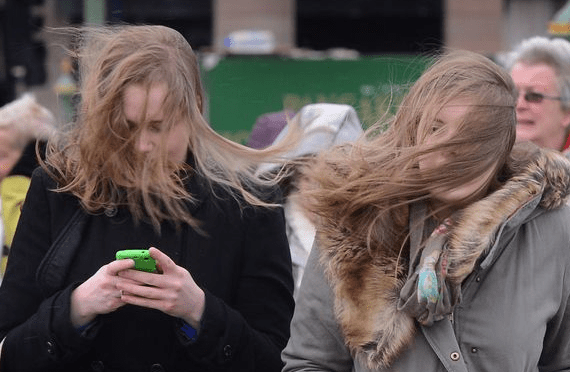
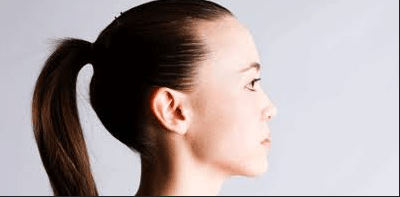
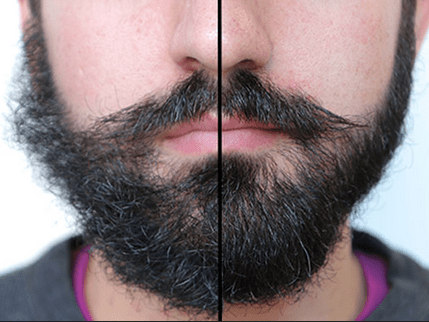
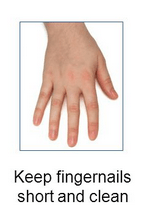
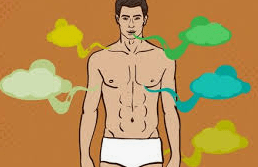
Regard to neatness and personal attire it is believed that the Tour Guide Technician should always present himself in a clean and hygienic manner, that is, with clean hair and if they are long, should tie it, because of the wind they might disturb some tourist in case if you are so close of them; beard and always neatly trimmed mustaches demonstrating personal and hygienic care; well-groomed, clean nails and hands, so for women always wear a neutral tone; avoid body areas from exuding unwanted odors, always keep underarms, feet and mouth always well hygienized to prevent harming professional performance; regarding to clothing, always choose a neutral tone according to the places visited, never wear sticky clothes, very low-cut or extravagant, when wearing swimsuits, choose unique pieces such as swimsuit swim trunks & board shorts swimwear.
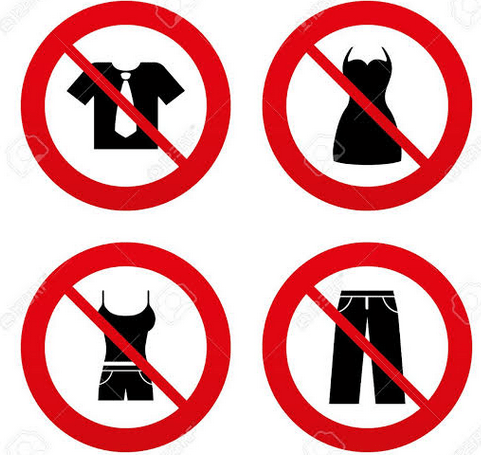



And of course all these rules of etiquette not only serve the travel guide professional but in all areas and especially at all times, preferably with empathy. What we do not want for ourselves, we do not do for others.
1, 3 – A663f Araújo, Fabiane de Matos Etiqueta profissional / Fabiane de Matos Araújo. –
Manaus: Centro de Educação Tecnológica do Amazonas, 2009.
52 p.: il. (portuguese only)
2. Paola Weber Ética e Etiqueta https://youtu.be/PUVARM4v8G0
4. Resolution adopted by the General Assembly
 Phoenix Scarlet